
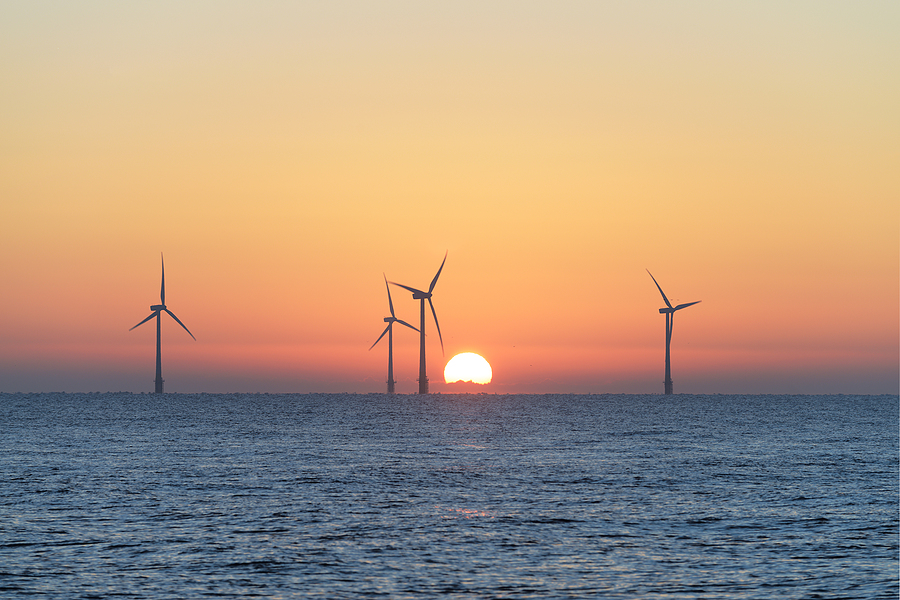
The current landscape in offshore wind is full of promise and opportunity right now. Global net zero targets are driving widespread growth and investment in the sector as different countries look to replace traditional energy production systems with more sustainable alternatives. Widely heralded as a leader in worldwide offshore wind, the UK is looking to significantly scale up production and delivery for even greater green credentials in the years to come.
The great scale-up
The scaling up of offshore wind is essential for the future of the market. This starts with the tendering process and the desire among industry to plan projects which will increase capacity in UK waters. The Crown Estate Scotland is leading the way in this area having recently awarded the rights for nearly 25GW of offshore wind development as part of the ScotWind seabed tender – that’s more than twice the size of current capacity for the entire UK. A total of 17 projects and 8,600km2 won leases, with sites allotted for both fixed-bottom and floating wind farms. Winning tenders were awarded to Iberdrola, BP, Shell, SSE Plc, EnBW, and Falck Renewables SpA, among others.
The ScotWind process comes at a crucial time as gas prices soar. It will also continue to create new and exciting employment opportunities for the UK workforce (more on this shortly), while supporting the UK economy. To make it a real success, there are still several stages to go through. These include planning permissions, optimizing electric grid capacity, sourcing turbines, and support from the government.
A transferable workforce
As the industry grows, we need to think about where the increasing workforce will come from too. Fortunately, we have many avenues to pursue, with individuals from various industries who already have transferable skills. For example, many people who have trained to work on offshore oil and gas sites will have some of the experience required to perform various tasks on an offshore wind farm. There are also many individuals who are highly proficient in the transport of crew and components to offshore sites, as well as various manufacturers and project management organizations that can lend expertise to the generation, transport, and storage of green energy.
Another invaluable source of skills and experience is the growing pool of ex-servicepeople. It is estimated to be over 2 million armed forces veterans reside in the UK, with the percentage of working-age veterans increasing. Ex-military personnel possesses many transferable skills which can be readily applied to offshore wind, having accrued extensive experience of working with multi-national teams and in high-pressure situations, making them highly adaptable. To improve the pathway for ex-service people to join the offshore wind sector, the Offshore Wind Industry Council (OWIC) has launched a Military Working Group. By identifying opportunities for individuals to find new employment and offering the support they need to excel in their new career, this is an exciting initiative that will help the workforce to grow as the industry evolves.
Realizing the opportunities
As the offshore wind sector looks to ramp up energy generation, the UK is set to remain a trailblazer in the industry. The future of the market is bright, but it will require the merging of skills, technologies, and ambitions for its full potential to come to fruition. Collaboration is key – together, we can build on our world-leading progress in offshore wind to support even the most aspirational net-zero targets.
Hi, this is a comment.
To get started with moderating, editing, and deleting comments, please visit the Comments screen in the dashboard.
Commenter avatars come from Gravatar.
Very good article. I definitely appreciate this website. Continue the good work!
You need to be a part of a contest for one of the finest sites on the internet. Im going to highly recommend this blog!
Can I simply say what a comfort to discover someone who genuinely understands what they are talking about online. You definitely realize how to bring a problem to light and make it important. More people need to read this and understand this side of your story. I cant believe you arent more popular because you definitely possess the gift.
Hi! I just wish to give you a big thumbs up for your excellent info you have got here on this post. I will be returning to your blog for more soon.
I was excited to uncover this website. I need to to thank you for ones time for this particularly fantastic read!! I definitely really liked every part of it and i also have you bookmarked to look at new things in your site.
I am choosing where to stay in southern Tenerife for a summer break, and the descriptions of the resort areas are starting to blur together. What matters most to me is somewhere I can walk to the sea in the morning and still find a calm place to eat in the evening. I do not need nightlife, but I also do not want to depend on a car for every meal or short walk. I found a useful overview of beaches in tenerife south and now I am trying to separate the beach itself from the feel of the streets around it. Several locations look close to everything, yet reviews suggest that a short distance can still involve steep roads or traffic. I would rather find a comfortable everyday location than spend each day travelling across the island to find a quieter stretch of sand. Which neighbourhood would you consider for a solo traveller who likes swimming, coastal walks, and early evenings? I can take a bus or taxi for occasional excursions, so perfect access to every attraction is not necessary. Advice about the streets behind the beach would be useful, especially from someone who has stayed nearby. I would appreciate honest suggestions based on a normal day there.
Your comment is awaiting moderation.